
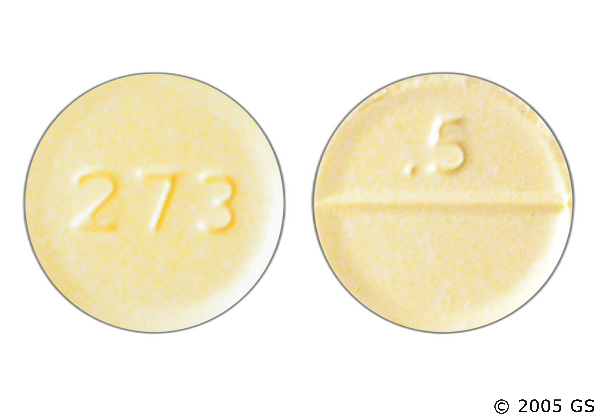
‘
Klonopin 2 mg (Clonazepam)
Overview
Klonopin is a brand name for clonazepam, a prescription benzodiazepine medication.
It enhances the activity of gamma-aminobutyric acid (GABA), a chemical messenger
that helps reduce excessive activity in the brain.
Clonazepam may be prescribed for certain seizure disorders and panic disorder.
It can cause drowsiness, impaired coordination, physical dependence, and misuse.
It should only be used under the supervision of a qualified healthcare professional.
Uses
Clonazepam may be prescribed for:
- Certain seizure disorders
- Panic disorder
Appropriate use depends on the patient’s diagnosis, medical history, age, and other
medications. For additional information, consult the
MedlinePlus clonazepam medication guide.
Dosage and Administration
The appropriate dose is individualized by a healthcare professional according to
the condition being treated, response to therapy, age, and other factors.
Take clonazepam exactly as prescribed. Do not increase the dose, take it more
frequently, or use it for longer than directed. A 2 mg tablet should only be taken
when specifically prescribed.
Do not stop clonazepam suddenly after regular use. Abrupt discontinuation can cause
withdrawal symptoms and potentially life-threatening seizures. A healthcare
professional should determine whether and how the medication should be gradually reduced.
Common Side Effects
Possible side effects include:
- Drowsiness and dizziness
- Fatigue
- Reduced coordination
- Muscle weakness
- Slowed reactions
- Difficulty concentrating
- Memory problems
- Confusion
Avoid driving or operating machinery until you know how clonazepam affects you.
Serious Side Effects
Seek immediate medical attention for symptoms such as:
- Extremely slow or difficult breathing
- Severe sedation or inability to wake
- Loss of consciousness
- Severe confusion
- A serious allergic reaction
- Unusual behavioral changes
- Severe weakness or impaired coordination
Dangerous sedation and respiratory depression are more likely when clonazepam is
combined with opioids, alcohol, or other central nervous system depressants.
Warnings and Precautions
Clonazepam can cause physical dependence, misuse, addiction, and withdrawal reactions,
particularly with prolonged use. Tell your healthcare professional if you have
breathing problems, liver disease, a history of substance-use disorder, or any other
condition that may increase sensitivity to sedative medicines.
Older adults may be particularly susceptible to excessive sedation, confusion, and falls.
Drug Interactions
Tell your healthcare professional about all prescription medicines, over-the-counter
medicines, supplements, and other substances you use. Important interactions may include:
- Opioid pain medicines
- Alcohol
- Sleeping medicines
- Other benzodiazepines
- Sedating antihistamines
- Certain muscle relaxants
- Other central nervous system depressants
Combining clonazepam with opioids can cause profound sedation, respiratory depression,
coma, or death. Seek advice from a qualified healthcare professional before combining
medicines that cause sedation.
Pregnancy and Breastfeeding
Tell your healthcare professional if you are pregnant, planning to become pregnant,
or breastfeeding. Benzodiazepines can affect a developing fetus or newborn, particularly
when used during pregnancy or close to delivery. A healthcare professional should
assess the potential risks and benefits.
Dependence and Withdrawal
Physical dependence can develop with regular clonazepam use. Withdrawal may occur if
treatment is stopped abruptly. Possible symptoms include:
- Anxiety and irritability
- Insomnia
- Sweating and tremors
- Muscle aches
- Restlessness
- Sensory disturbances
- Seizures
Because abrupt withdrawal can be dangerous, discontinuation should be managed under
appropriate medical supervision.
Overdose
An overdose may cause profound drowsiness, confusion, impaired coordination, loss of
consciousness, slowed breathing, coma, or death. The danger is greater when clonazepam
is combined with opioids, alcohol, or other sedating substances.
If an overdose is suspected, or a person cannot be awakened or is having difficulty
breathing, seek emergency medical assistance immediately.
Storage and Disposal
Store clonazepam securely and out of reach of children and anyone for whom it was not
prescribed. Never share prescription clonazepam. Follow local pharmacy or healthcare
authority recommendations for disposing of unused medication.
Important Safety Information
Klonopin should be taken only according to a healthcare professional’s instructions.
Do not combine it with alcohol or other sedating medicines unless specifically advised
by a healthcare professional. Avoid driving if you experience significant drowsiness,
dizziness, impaired coordination, or slowed reactions.
Never stop regular clonazepam treatment suddenly without medical guidance.
Additional Medical Resources
-
MedlinePlus: Clonazepam Medication Information
-
DailyMed: Klonopin Product Information
-
U.S. Food and Drug Administration: Drug Safety Information
Disclaimer: This information is for educational purposes only and
does not replace official prescribing information or advice from a qualified
healthcare professional.



Reviews
There are no reviews yet.