
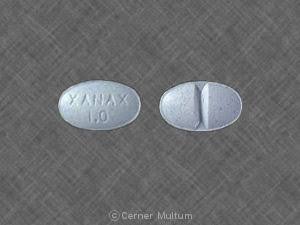
Xanax (Alprazolam)
Overview
Xanax is a brand name for alprazolam, a prescription benzodiazepine
medication. It enhances the activity of gamma-aminobutyric acid (GABA),
a neurotransmitter that reduces excessive activity in the central
nervous system.
Alprazolam is primarily prescribed for certain anxiety and panic
disorders. It can cause drowsiness, impaired coordination, physical
dependence, misuse, and addiction. It should be used only under the
supervision of a qualified healthcare professional.
For more information, consult the
MedlinePlus alprazolam medication guide
.
Uses
Depending on the patient’s diagnosis and applicable prescribing
information, alprazolam may be prescribed for:
- Anxiety disorders
- Panic disorder
- Short-term management of certain severe anxiety symptoms
The appropriate use and duration of treatment should be determined
by a healthcare professional. Learn more about
anxiety disorders and their treatment
from the National Institute of Mental Health.
Dosage and Administration
The appropriate dose is individualized according to the patient’s
condition, response to treatment, age, medical history, and other
medications.
Take alprazolam exactly as prescribed. Do not increase the dose,
take it more frequently, or use it for longer than directed.
Available strengths may include 0.25 mg, 0.5 mg, 1 mg, and 2 mg,
depending on the specific product and market. The appropriate
strength must be determined by the prescribing professional.
Do not stop regular alprazolam treatment suddenly. Abrupt
discontinuation can produce serious withdrawal symptoms, including
seizures. A healthcare professional should determine whether the
medication needs to be gradually reduced.
Consult the
official alprazolam prescribing information on DailyMed
for product-specific dosage instructions and warnings.
Common Side Effects
Possible side effects include:
- Drowsiness
- Dizziness
- Fatigue
- Reduced coordination
- Slowed reactions
- Difficulty concentrating
- Memory problems
- Slurred speech
- Confusion
- Dry mouth
Avoid driving or operating machinery if you experience significant
sedation or impaired coordination. Contact your healthcare
professional if side effects persist or become concerning.
Serious Side Effects
Seek immediate medical attention for symptoms such as:
- Slow, shallow, or difficult breathing
- Extreme sedation or inability to wake
- Loss of consciousness
- Severe confusion
- Serious allergic reaction
- Severe impairment of coordination
- Unusual behavioral or psychiatric changes
The risk of dangerous sedation and respiratory depression increases
significantly when alprazolam is combined with opioids, alcohol,
or other central nervous system depressants.
Warnings and Precautions
Alprazolam carries risks of
misuse, abuse, addiction, physical dependence, and withdrawal
.
Use it only as prescribed and discuss your medical history with
your healthcare professional before treatment.
Tell your healthcare professional if you have breathing problems,
liver disease, a history of substance-use disorder, depression,
or other significant medical conditions.
Older adults may be more sensitive to sedation, confusion, impaired
coordination, and falls. Additional precautions may be necessary
depending on individual circumstances.
Drug Interactions
Tell your healthcare professional about every prescription medicine,
over-the-counter medicine, supplement, and other substance you use.
Important interactions may include:
- Opioid pain medicines
- Alcohol
- Sleeping medicines
- Other benzodiazepines
- Sedating antihistamines
- Certain muscle relaxants
- Other central nervous system depressants
- Certain medicines that affect alprazolam metabolism
Combining alprazolam with opioids can cause profound sedation,
respiratory depression, coma, and death. Do not combine these
substances unless a healthcare professional has specifically
evaluated and directed the treatment.
For additional safety information, consult the
FDA drug safety communications
.
Pregnancy and Breastfeeding
Tell your healthcare professional if you are pregnant, planning
to become pregnant, or breastfeeding.
Benzodiazepines can affect a developing fetus or newborn and may
cause sedation or withdrawal-related effects in an exposed newborn.
Alprazolam can also pass into breast milk. Obtain medical advice
before using it during pregnancy or breastfeeding.
Dependence and Withdrawal
Physical dependence can develop with regular alprazolam use,
particularly with prolonged treatment or higher doses.
Withdrawal symptoms can include:
- Anxiety
- Irritability
- Restlessness
- Insomnia
- Sweating
- Tremors
- Muscle aches
- Difficulty concentrating
- Sensory disturbances
- Seizures
Because withdrawal can be dangerous, regular alprazolam treatment
should generally be reduced gradually under medical supervision
rather than stopped suddenly.
Overdose
An overdose may cause severe drowsiness, confusion, impaired
coordination, loss of consciousness, slowed breathing, coma,
and potentially death.
The danger is substantially greater when alprazolam is combined
with opioids, alcohol, or other sedating substances. If someone
cannot be awakened, has difficulty breathing, or is suspected
of having overdosed, seek emergency medical assistance immediately.
Storage and Disposal
Store alprazolam securely according to its product labeling and
keep it out of reach of children and anyone for whom it was not
prescribed. Never share prescription alprazolam with another person.
Follow local pharmacy or healthcare-authority recommendations for
safe disposal of unused medication.
Important Safety Information
Xanax should be taken only according to a healthcare professional’s
instructions. Do not combine alprazolam with alcohol, opioids,
or other sedating medicines unless specifically directed by a
healthcare professional.
Avoid driving or operating machinery if you experience drowsiness,
dizziness, impaired coordination, or slowed reactions. Never stop
regular alprazolam treatment suddenly without medical guidance.
Medical disclaimer: This information is for
educational purposes only and does not replace the official
prescribing information or advice from a qualified healthcare
professional.
Related Medical Resources



Reviews
There are no reviews yet.